


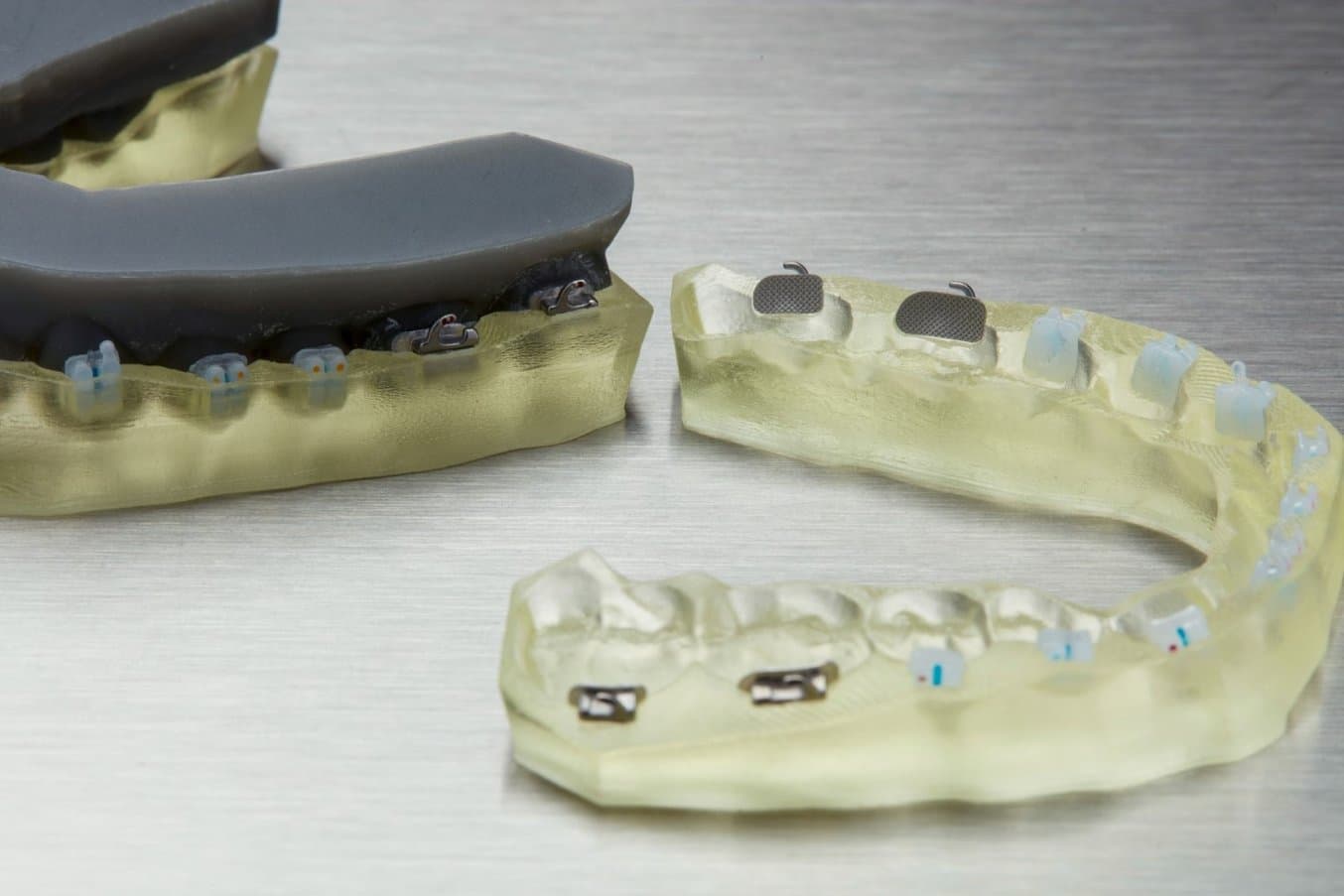
Digital dentistry has reshaped the way orthodontic treatments are planned and delivered. From intraoral scanning to precise 3D printing, orthodontists now rely heavily on advanced materials to create accurate models for diagnosis, aligner fabrication, and treatment planning. Among these innovations, orthodontic model resin has become a crucial component in producing reliable and detailed dental models.
With the growing adoption of 3D printing technology in clinics and labs, selecting the right resin is more important than ever. The right material ensures durability, precision, and consistency—qualities that orthodontic professionals depend on every day.
The Role of Orthodontic Model Resin in Modern Dentistry
In orthodontics, models are essential for evaluating patient cases, designing treatment plans, and fabricating appliances. Traditional plaster models served this purpose for decades, but they often lacked durability and required significant storage space.
This is where 3D printing orthodontic model resin offers a modern solution. When used with digital scans, this specialized resin allows clinicians to create highly detailed replicas of a patient’s dental structure in a matter of minutes. These models capture subtle anatomical features, making them ideal for orthodontic diagnostics and appliance planning.
Beyond speed and convenience, digital models printed with resin are easier to store, duplicate, and share with dental labs or other specialists.
Why Accuracy Matters in Orthodontic Models
Orthodontic treatments demand extreme precision. Even minor inaccuracies in dental models can lead to poorly fitting aligners or appliances. High-quality high-accuracy model resin ensures that every ridge, groove, and tooth contour is reproduced accurately.
This level of precision is particularly important when producing clear aligners, retainers, and indirect bonding trays. A precise model ensures that appliances fit comfortably and perform exactly as intended, improving treatment outcomes and patient satisfaction.
Additionally, accurate models help orthodontists visualize treatment progress and communicate effectively with patients, making consultations clearer and more informative.
The Importance of a Durable Resin Material
While accuracy is critical, durability is equally important. Orthodontic models often undergo repeated handling during appliance fabrication and treatment planning. A durable ortho resin material ensures that the printed models maintain their structural integrity without chipping, cracking, or deforming.
Durability also benefits dental laboratories that rely on models for thermoforming aligners or retainers. Strong resin models can withstand pressure and heat during the manufacturing process without losing their shape.
This reliability ultimately saves time and reduces the need for reprints, making workflows more efficient for both clinics and labs.
Benefits of Using 3D Printing Orthodontic Resin
The advantages of modern orthodontic model resin extend beyond just accuracy and durability. Dental professionals are increasingly adopting these materials because they offer several practical benefits:
- Consistent precision: Every printed model maintains uniform detail and dimension.
- Faster workflows: Models can be printed quickly, reducing turnaround times.
- Improved storage: Digital files eliminate the need for large physical storage spaces.
- Cost efficiency: Fewer remakes and reliable prints help reduce operational costs.
These benefits collectively enhance the efficiency of orthodontic practices and labs that rely on digital manufacturing processes.
The Future of Orthodontic Modeling Materials
As digital dentistry continues to evolve, materials used in dental 3D printing are also advancing rapidly. Manufacturers are developing new formulations of 3D printing orthodontic model resin that offer improved strength, higher resolution, and better compatibility with modern printers.
The combination of advanced printing technologies and innovative resin materials is paving the way for faster, more precise orthodontic workflows. For orthodontists looking to stay competitive in an increasingly digital field, adopting a reliable high-accuracy model resin and durable ortho resin material is no longer optional—it is becoming a standard requirement.
In today’s orthodontic landscape, precision, efficiency, and reliability are essential. By leveraging high-quality orthodontic model resin, dental professionals can create detailed models that support better diagnostics, improved appliance fabrication, and more predictable treatment outcomes. As technology continues to progress, these materials will remain at the heart of modern orthodontic innovation.
