


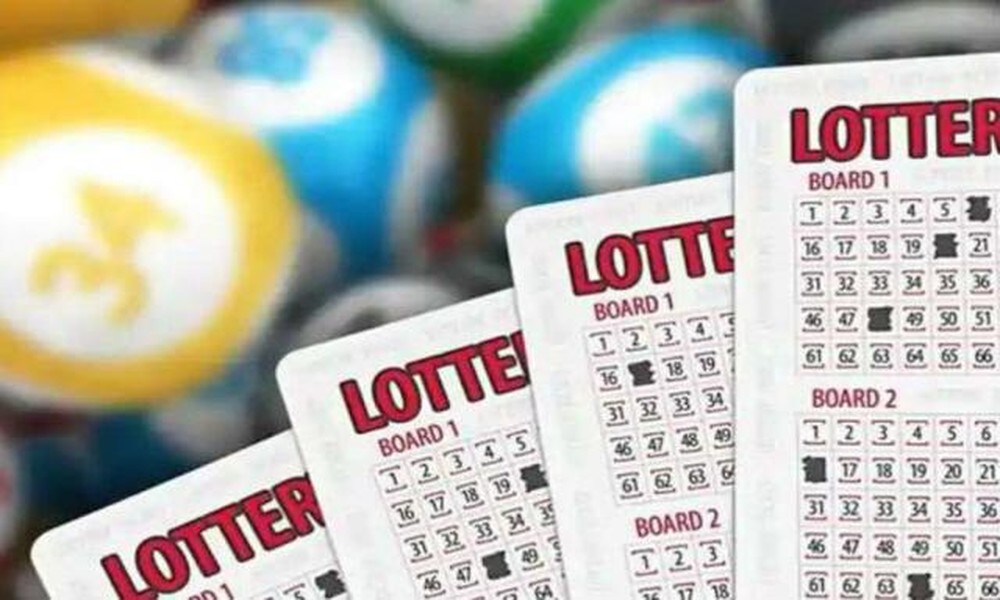
Prize structure is one of the defining characteristics of any draw game. It rarely receives the attention it deserves before a player participates. Two distinct models exist across the regulated lottery market. Tiered prize structures reward partial matches as well as full matches. Flat payout structures offer a single prize for a single outcome. The player experience depends on how each model works.
Tiered prize structures explain
A tiered structure within an เว็บหวยลาว draw assigns prize values to multiple levels of number matching. Matching all drawn numbers wins the top prize. Matching progressively fewer numbers produces progressively smaller prizes across defined lower tiers. A game operator determines the exact number of tiers and prize values before the draw.
Participating tickets produce some prize return even if the jackpot is unclaimed. A six-number game does not leave an empty-handed player. Although the prize at that tier may appear modest compared to the jackpot, the structure keeps partial matches valuable. When the top prize rolls over and accumulates, while lower-tier prizes remain fixed, secondary and tertiary tiers sometimes distribute more total prize money than the jackpot itself.
What flat payout structures offer?
Flat payout games operate on a simpler premise. One outcome wins. Every other outcome produces nothing. The prize value for that single winning outcome may be fixed in advance or may accumulate based on sales volume and rollover history, but the structure contains no secondary levels. Partial matches carry no reward regardless of how close the ticket came to the winning combination.
The appeal of flat payout structures lies in clarity. Players know exactly what they are playing for before the draw takes place. There are no tiers to track, no secondary prize tables to consult, and no partial outcomes to evaluate after results are published. The result is binary and immediately understood. Flat structures are more common in smaller regional games and certain instant formats where simplicity is part of the product design. They suit players who prefer a straightforward outcome over the layered result evaluation that tiered games require.
Prize probability across both models
- Tiered structures increase the overall probability of winning some prize from a given entry, purely because more outcomes qualify as wins. A game with six prize tiers produces winning tickets at a higher rate than a flat payout game built on the same number pool, because partial matches count in the former and not in the latter.
- Flat payout games concentrate the full prize value into a single outcome. This tends to support larger top prizes relative to the ticket price and sales volume, because no portion of the prize fund is diverted to lower tiers. The trade-off is a lower overall probability of any individual ticket producing a return.
Neither model is superior. They reflect different design priorities, and those priorities suit different player preferences.
Reading prize tables before entry
- Tiered games publish full prize tables as part of their game information pages. These tables show the number of matches required for each tier, the prize value or prize fund percentage attached to that tier, and, in some cases, the approximate odds of landing at each level. Reviewing this table before entry gives a complete picture of what each possible outcome is worth.
- Flat payout games require less pre-entry research by design. The single prize value, its current total if accumulation applies, and the odds of the winning outcome are typically the only figures a player needs before making an entry decision.
Tiered and flat payout structures represent two coherent approaches to distributing lottery prize funds. One spreads value across multiple outcomes and rewards partial matches. The other concentrates everything into a single result. Both models are present across the regulated draw game market, often within the same platform, giving players a genuine choice between structures that suit different participation preferences.
