


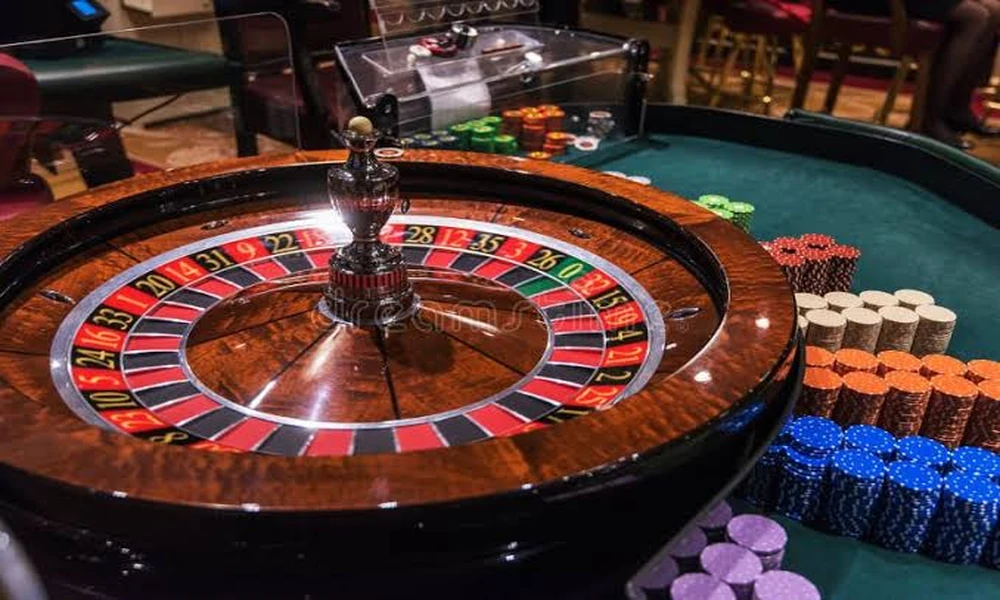
Crypto roulette carries a genuine range of game formats, and the differences between them go well past visual presentation. Wheel configuration, pocket count, and rule structure all vary depending on which format a player selects. Crypto roulette sites usually divide variants by table type so that the choice is visible before a session begins.
Single-zero European roulette has 37 pockets. Adding a second zero pocket to American roulette shifts the odds behind all bets. While French roulette has a single-zero layout, some specific rules apply when the ball lands on zero, changing how even-money bets are settled. The choice between these three cannot be based solely on preference. Bets are shaped over time by a different mathematical structure.
What live tables bring?
Live dealer roulette operates differently from software-generated versions at a fundamental level. A physical wheel is spun by a real dealer, with the session streamed directly to the player. Betting works the same way as any digital version, but the outcome comes from an actual spin rather than generated output.
Formats within live roulette include speed tables, which run shorter gaps between each spin, and immersive versions that use close-range camera angles with slowed ball tracking after each result. Lightning roulette assigns random multipliers to selected straight-up numbers before each spin, adjusting the payout structure for that round without changing the underlying rules of the game. These variations sit within the live category as distinct products rather than minor adjustments to a single table setup.
Compressed and multi-wheel play
Multi-wheel roulette places several independently spinning wheels inside one game window. A single set of bets covers every active wheel at once, with each one resolving on its own. The number of outcomes produced per round increases without requiring the player to switch between separate sessions or manage multiple open tables simultaneously.
Mini roulette reduces the wheel to thirteen pockets. That change restructures the probability of every bet type available on the table, not just the straight-up numbers. It is a separate format with its own mathematical relationships rather than a stripped-down entry point to standard play. Players familiar with full-sized wheel formats will notice the difference in how bets land across a session.
Finding specific formats
Platforms generally split their roulette catalogue into two sections. RNG-based formats sit in one area, live dealer tables in another. Each listed variant shows its name and basic configuration before the game opens, so players are not required to load a table to identify which format it runs on.
Some catalogues include filter options that sort by wheel type or table status. Others present the full list without additional sorting tools, relying instead on clear labelling within each section. Either way, carrying multiple distinct formats rather than a single default version is a consistent feature across most libraries.
The selection within crypto roulette covers varied wheel structures, differing rule sets, and separate session formats. Each one functions as its own product rather than a variation of the same base game, giving players a real range to choose from before a session begins.
