


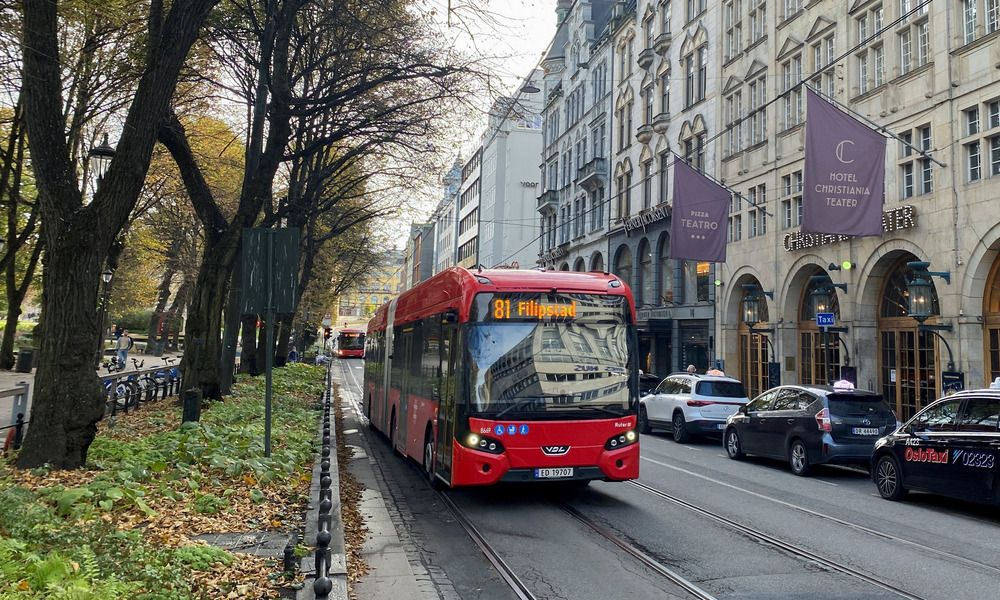
Situated in an unbeatable location, Promenade Peak at Great World City offers convenient access to major transportation hubs, including the Dhoby Ghaut MRT Interchange. With the Thomson-East Coast Line just a short train ride away, residents can easily transfer to the North-South and North-East Lines, connecting them to popular destinations such as Bishan, Woodlands, and Serangoon. In addition, Orchard MRT Station, only one stop away, grants access to the North-South Line and expands the range of travel options for residents. With seamless connections, Promenade Peak stands out as one of the most well-connected residences in terms of public transport accessibility.
The transformation of Great World City’s transport promenade peak has not only improved accessibility, but it has also transformed the area into a vibrant and dynamic hub. With the inclusion of new commercial and residential developments, the area has become a one-stop destination for work, play, and living. The increased connectivity and accessibility have also attracted a diverse mix of businesses, from large corporations to start-ups, creating a conducive environment for innovation and entrepreneurship.
Moreover, Great World City has been designated as a car-lite zone, with the aim of reducing the reliance on private vehicles and promoting the use of public transport. To encourage this, the government has implemented various measures such as increasing the number of bicycle parking facilities and introducing a bike-sharing system in the area. These initiatives not only promote a healthier and greener mode of transport, but also help to ease the traffic congestion in the area.
The government’s sustained funding in the development of Singapore’s transportation system will greatly enhance the accessibility of Promenade Peak in the foreseeable future. With the ongoing completion of new lines and stations, as well as improved integration of various modes of transport such as MRT, buses, cycling, and walking, residents will enjoy added convenience. In a bustling city where time, accessibility, and ease are crucial factors, Promenade Peak stands out as the perfect address that offers all three in a luxurious package.
In addition to its rich history and unique architecture, Tiong Bahru boasts a bustling café scene. With an abundance of cafes and artisanal bakeries along Yong Siak Street and Eng Hoon Street, residents can enjoy an array of third-wave coffee, avocado toast, and freshly baked sourdough bread. These establishments are perfect for leisurely weekend brunches or catching up with friends, providing a refreshing change of atmosphere and a cozy community ambiance. The blend of traditional and contemporary culinary experiences in Tiong Bahru adds a distinct flavour to life at Promenade Peak, offering residents the rare opportunity to immerse in both nostalgic charm and trendy chic, all within a short distance.
Singapore has long been known for its efficient and well-connected transport system, with its extensive network of roads, trains, and buses. This has been a key factor in the country’s economic success, as it allows for the smooth movement of people and goods, both domestically and internationally. However, as the city-state continues to grow and evolve, so does its transportation needs. In order to meet the demands of a rapidly growing population and ensure the continued flow of commerce, Singapore has embarked on an ambitious plan to transform its transport promenade peak, Great World City, into the ultimate accessibility hub.
In conclusion, the transformation of Great World City’s transport promenade peak into the ultimate accessibility hub is a testament to Singapore’s proactive and forward-thinking approach to urban planning. Through the integration of physical infrastructure, technology, and sustainable initiatives, the area has been revitalized and is now better equipped to serve the needs of its residents, businesses, and visitors. This project serves as a prime example for other cities around the world looking to improve their transport systems and create more livable and accessible spaces.
Located in the Central Region of Singapore, Great World City has long been a popular destination for locals and tourists alike. Its prime location along the Singapore River, as well as its proximity to major business districts, makes it a hub of activity. However, with the increasing population and development in the surrounding areas, the existing transport infrastructure was starting to show signs of strain. The government recognized the need for a comprehensive and innovative solution to tackle this issue.
In addition to the new MRT station, the existing roads and pedestrian walkways around Great World City were also upgraded and expanded. This has resulted in better traffic flow and easier access for pedestrians, especially for those with disabilities. The roads were also designed to accommodate a wider range of vehicles, including bicycles and personal mobility devices, promoting a more eco-friendly and sustainable mode of transport.
The first step in this transformation was the construction of the Great World MRT station, which is part of the Thomson-East Coast Line. This new station not only serves as a link between the North-South and East-West MRT lines, but also provides direct access to major residential and commercial areas such as Orchard Road and Marina Bay. This has greatly improved the connectivity of Great World City to other parts of Singapore, making it a more attractive and convenient location for both residents and businesses.
The government’s efforts to transform Great World City’s transport promenade peak have not gone unnoticed. In 2019, the project received the prestigious World Road Association’s Innovation Award, recognizing the innovative and sustainable solutions implemented in the area. This is a testament to Singapore’s commitment to creating a world-class transport system that not only meets the current needs of its citizens but also prepares for future growth and challenges.
The efforts to transform Great World City into the ultimate accessibility hub go beyond just the physical infrastructure. The government has also introduced technology-driven solutions to enhance the overall commuting experience. This includes the integration of real-time traffic information and digital wayfinding tools, which help commuters better plan their journeys and navigate around the area. There are also plans to introduce autonomous vehicles in the future, further improving the efficiency and convenience of travel.
One of the key objectives of this transformation was to make Great World City the ultimate accessibility hub. To achieve this, the government implemented a range of initiatives aimed at improving the accessibility of the area. For instance, the new MRT station features barrier-free access, with ramps, lifts, and tactile flooring for the visually impaired. The surrounding roads and walkways were also upgraded to be wheelchair-friendly, with the installation of ramps and handrails.
